
Low tide can transform the shoreline around Hideaway Island, changing water depth, access points, and the way shallow marine areas can be explored. Understanding the tidal cycle is particularly useful when planning a snorkeling session because conditions near the reef may differ considerably from those experienced at higher water levels.
Hideaway Island Snorkeling can be more enjoyable when tidal conditions are considered alongside weather, visibility, and water movement. Low tide may expose sections of the shoreline and create very shallow areas, making timing an important part of preparing for a comfortable and responsible snorkeling experience.
Low Tide Conditions at Hideaway Island
When the tide recedes, the coastal landscape can become noticeably different. Water withdraws from shallow areas, while rocks and sections of reef may become more prominent. These changes can influence both access and movement around snorkeling locations.
How Low Tide Changes Snorkeling Access
Falling water levels can make certain shoreline routes more difficult to navigate. An entry point that seems convenient during higher water may become considerably shallower as the tide retreats.
Snorkelers should avoid crossing exposed coral or unstable rocks simply to reach deeper water. Using established entry points and following local guidance can help minimize both personal risk and unnecessary disturbance to marine habitats.
Shallow Water Around Snorkeling Areas
Low tide can create extremely shallow water close to shore. Although shallow areas may initially appear easy to navigate, they can bring swimmers close to coral, rocks, and other submerged features.
Maintaining buoyancy and avoiding contact with the seabed are important. Snorkeling fins should also be used carefully because accidental kicks can damage fragile coral in confined areas.
Why Tide Timing Matters for Visibility
Tide conditions can influence water movement and the distribution of sediment. In some circumstances, changing currents may affect underwater clarity, although visibility is also influenced by rainfall, wind, waves, and other coastal conditions.
Checking the broader weather situation alongside the tide forecast therefore provides a more useful indication of what the snorkeling environment may be like.
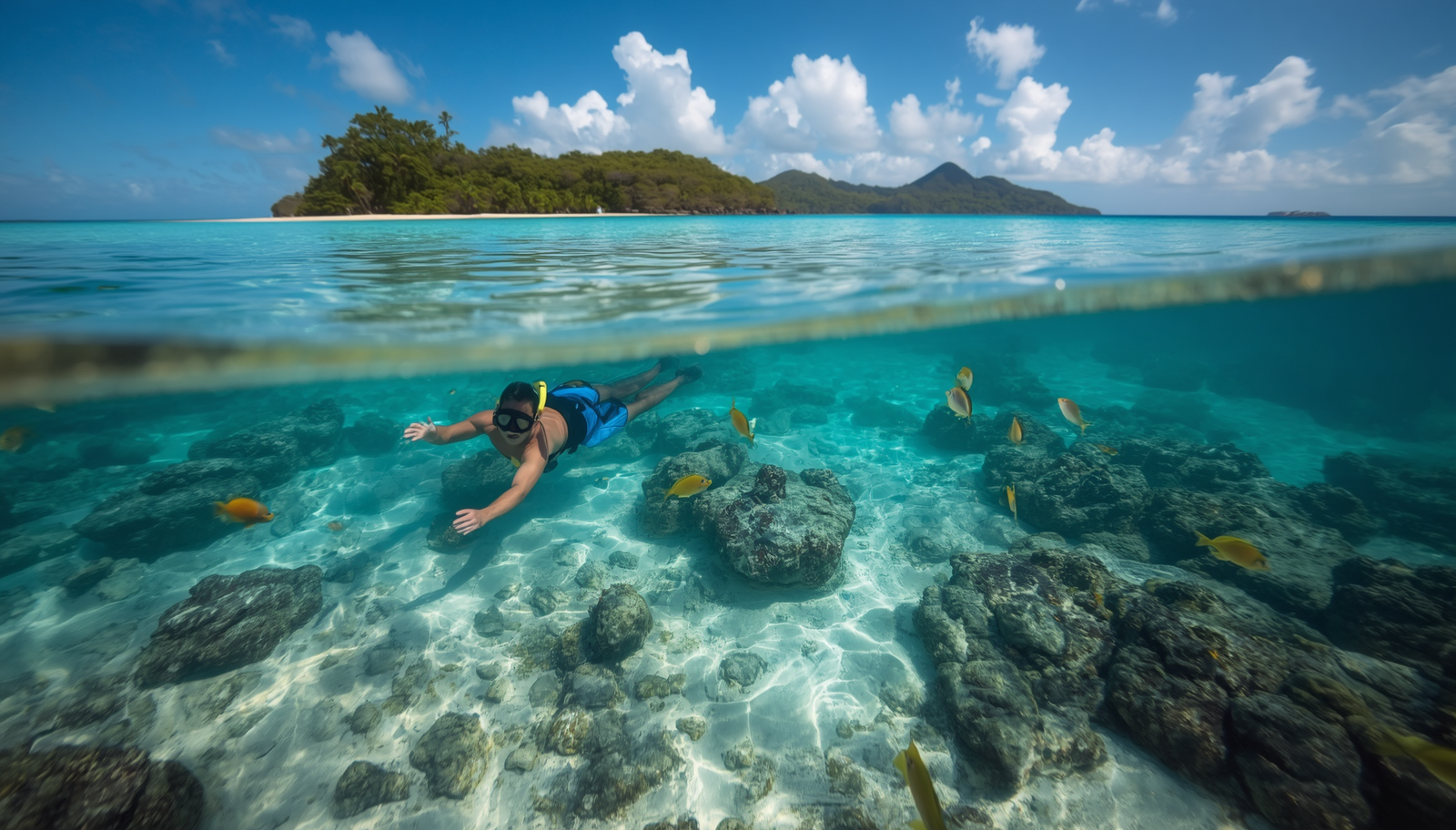
Planning My Snorkeling Around Tides
Planning around the tidal cycle can make a snorkeling itinerary more practical. Instead of arriving at the shoreline without considering water levels, checking conditions beforehand allows the activity to be adjusted to the environment.
Useful Tide Timing Tips include checking the local tide table, considering the intended entry point, and allowing enough flexibility to change the snorkeling period when weather or water conditions become unfavorable.
Marine conservationist Sylvia Earle has emphasized the connection between people and the ocean, “With every drop of water you drink, every breath you take, you’re connected to the sea.”
This principle is especially relevant when exploring shallow reef environments, where careful movement and environmental awareness can help reduce unnecessary impact.
Checking the Daily Tide Schedule
A tide table provides expected high and low water periods for a particular location and date. Reviewing this information before the excursion can help identify periods when sufficient water depth may be available.
Tide predictions are location-specific, so information relevant to the waters surrounding Hideaway Island is preferable to relying on a generic regional schedule.
Choosing a Suitable Snorkeling Time
The most suitable period depends on the intended snorkeling area and desired water conditions. A time with adequate depth can make it easier to swim over shallow sections without touching coral or rocks.
Weather should also be considered. Strong winds, rough waves, or reduced visibility can make an otherwise suitable tide less comfortable for snorkeling.
Preparing Before Entering the Water
Before entering the water, check the mask, snorkel, fins, and other equipment. A properly fitted mask can reduce interruptions, while secure equipment allows greater attention to the surroundings.
It is also important to identify safe entry and exit points and understand any local instructions. Personal swimming ability should always be considered before entering unfamiliar coastal water.
After Choosing the Right Tide Time
Once the timing has been selected, the snorkeling experience may become easier to manage. Adequate water depth can improve access, while favorable weather can contribute to greater comfort and clearer exploration.
Easier Access to Snorkeling Areas
Sufficient water depth can make shallow passages easier to navigate and reduce the need to walk across exposed surfaces. This creates a more straightforward transition from shoreline to swimming area.
Established access points should still be prioritized. A favorable tide does not eliminate the need to respect marine habitats or local restrictions.
More Comfortable Water Conditions
When water levels are suitable and currents remain manageable, snorkeling can feel less restrictive. Greater depth allows swimmers to maintain a comfortable position and move without repeatedly encountering the seabed.
However, tide alone does not determine comfort. Wind, waves, currents, and individual swimming ability all influence the experience.
A Smoother Island Snorkeling Experience
Choosing an appropriate time can reduce awkward entries, unnecessary waiting, and repeated changes to the snorkeling route. The activity can fit more naturally into the wider island itinerary.
Good timing also creates an opportunity to explore at a measured pace rather than rushing through shallow areas simply because the available water window is limited.
Plan Your Snorkeling Time Wisely
Low tide can substantially alter the snorkeling environment around Hideaway Island. Water depth, shoreline access, visibility, and movement conditions may all differ from those experienced at higher tide.
Checking the tide schedule before departure, considering the weather, and selecting a suitable entry period can make the experience more comfortable and responsible. Avoiding exposed coral and adapting plans when conditions become unsuitable also helps protect the marine environment for future visitors.