

An early departure can shape the entire rhythm of a gorilla trekking experience in Uganda. Before sunrise, travelers may need to coordinate transportation, prepare suitable clothing, and anticipate cool or damp conditions around forested mountain areas. Careful planning can make the transition from accommodation to trailhead considerably smoother.
A Morning Gorilla Trek offers a distinctive start to the day, with cooler temperatures, quieter surroundings, and a carefully structured itinerary. However, early trekking also requires practical preparation because visibility, weather, transportation, and trail conditions can change quickly in Uganda’s mountainous environments.
Early Morning Gorilla Trekking Challenges
Starting a gorilla trek before sunrise involves more than simply waking up early. The departure time can affect breakfast arrangements, transportation, equipment checks, and arrival at the designated briefing point. Understanding these challenges beforehand helps create a more organized trekking experience.
Why Morning Starts Affect Trekking Plans
Gorilla trekking generally requires visitors to arrive at a designated meeting or briefing area before entering the forest. When accommodation is located some distance away, the daily schedule may begin considerably earlier than the actual trek.
Preparing clothing, documents, footwear, and personal belongings the previous evening can save valuable time. It is also useful to allow a reasonable buffer for road delays or unexpected transportation changes.
Weather Conditions Before Sunrise
Before sunrise, temperatures in Uganda’s highland forest regions can feel noticeably cooler. Overnight rainfall may leave vegetation wet and trails muddy, while mist can temporarily reduce visibility across the surrounding landscape.
A waterproof outer layer is therefore useful when conditions are uncertain. Weather forecasts can provide valuable guidance, although mountain weather may change quickly, making adaptable clothing particularly practical.
Preparing for Limited Morning Visibility
Low natural light can affect the journey before reaching the forest. Roads, accommodation grounds, and parking areas may still be dark when travelers depart.
A compact headlamp or flashlight can make these early movements easier. Keeping essential items in accessible compartments also prevents unnecessary searching while preparing in dim conditions.
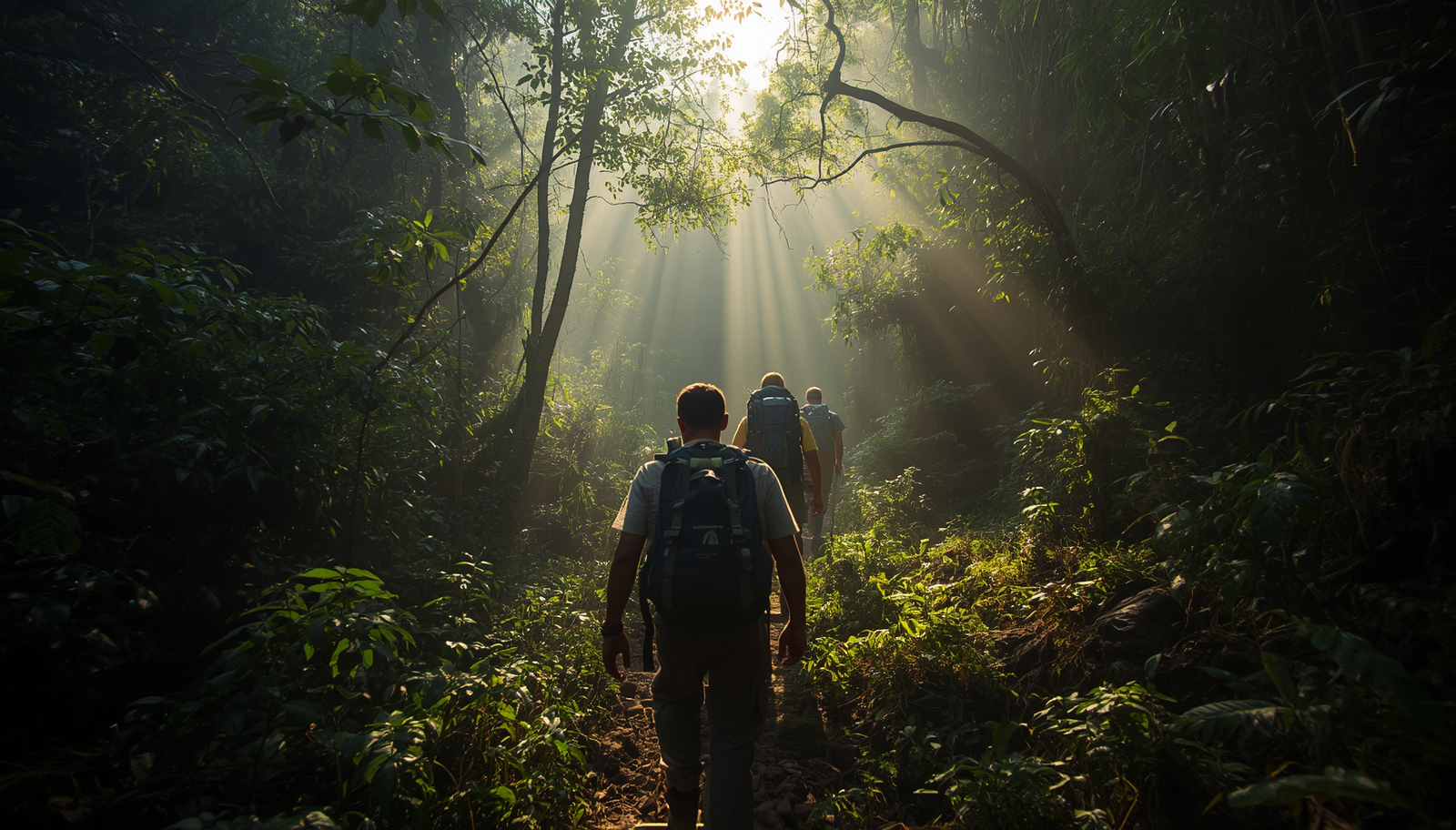
Preparing for a Morning Gorilla Trek
Proper preparation can reduce minor disruptions that might otherwise become inconvenient during an early departure. Practical planning should focus on equipment, transportation, hydration, and clothing suitable for changing forest conditions.
The following Trekking Uganda Preparation Tips can help travelers organize an early departure more efficiently. Preparing equipment the night before, confirming transport, checking weather conditions, and selecting suitable footwear can make the morning routine considerably smoother.
According to wildlife conservation specialist Dr. Gladys Kalema-Zikusoka, “Responsible gorilla tourism works best when visitors respect the animals, their habitat, and the communities around them.”
Choosing Suitable Trekking Gear
Footwear should provide dependable traction for muddy paths, exposed roots, uneven terrain, and wet vegetation. Comfortable trekking shoes or boots are generally more appropriate than casual footwear.
Clothing should also allow adjustments as temperatures change. Lightweight layers are particularly useful because the cool morning atmosphere may gradually become warmer as physical activity increases.
Planning Transport Before Dawn
Transportation should ideally be confirmed before the trekking morning. Knowing the pickup time, meeting point, estimated journey duration, and route can prevent unnecessary uncertainty.
For remote destinations, travel may take longer because of road conditions. Preparing everything in advance allows the departure to remain efficient without sacrificing essential checks.
Preparing Water and Trail Essentials
Hydration remains important even during cool mornings. A reusable water bottle should be placed somewhere accessible rather than buried beneath other belongings.
A compact backpack can hold water, rain protection, personal necessities, and other permitted essentials. Keeping the load manageable can help reduce fatigue during extended walking over uneven terrain.
Changes After Starting the Trek Early
Once the trek enters the forest, the practical differences of an early start become more noticeable. Cooler air, subdued surroundings, and a structured schedule can influence the overall rhythm of the excursion.
Cooler Conditions Along the Trail
Morning temperatures can make the initial stages of walking more comfortable, particularly when the route includes inclines. Cooler conditions may feel less demanding than warmer periods later in the day.
Nevertheless, forest humidity can remain high. Layered clothing allows trekkers to respond to changing temperatures without carrying excessively heavy garments.
More Focus During Wildlife Tracking
A quieter morning environment can encourage greater attentiveness to subtle signs of wildlife activity. Sounds, movements, disturbed vegetation, and other environmental details may become part of the tracking experience.
Gorilla movements remain unpredictable, however. The distance and duration of the trek can vary depending on terrain and where the gorilla group is located. Rangers provide essential guidance throughout the process.
A Smoother Trekking Schedule
Beginning early can leave useful flexibility after the trek. There may still be time for meals, rest, transportation, or other planned activities later in the day.
The trek itself cannot be assigned a guaranteed duration because conditions and gorilla movements vary. Nevertheless, thoughtful scheduling can help prevent the rest of the itinerary from becoming unnecessarily compressed.
Prepare for Your Morning Gorilla Trek
A successful early trek begins before reaching the forest. Confirm transportation, organize suitable clothing, prepare water, and check expected weather conditions the evening before departure.
Most importantly, preparation should remain practical rather than excessive. Reliable footwear, adaptable clothing, sufficient hydration, and respect for ranger instructions provide a sensible foundation for experiencing Uganda’s mountain forests during the early hours.