

A winter mountain trail can be exhilarating, but the combination of cold temperatures, steep terrain, and prolonged walking can leave the body noticeably tired. After several hours outdoors, even simple movements may require more effort than usual.
After a demanding Winter Mountain Hike, a thoughtful recovery period can make the rest of the trip more comfortable. Warming up, resting tired muscles, eating properly, and keeping evening plans light can help create a smoother transition from strenuous activity to relaxation.
Feeling Worn Out After a Winter Hike
The physical demands of winter hiking can accumulate gradually. Cold conditions require the body to conserve warmth, while uneven trails and elevation changes place continuous demands on the legs and core.
Cold Air and Long Trails
Cold air can make an extended hike feel more demanding, particularly when wind, snow, or icy surfaces are involved. The body expends energy maintaining warmth while simultaneously supporting continuous movement.
Long trails create another layer of fatigue. Even at a moderate pace, several hours of walking can leave the legs and feet feeling heavy by the time the route ends.
Tired Legs After Steep Climbs
Steep ascents engage the calves, thighs, and glutes repeatedly. Descents can also be strenuous because the muscles must control each step across uneven or slippery ground.
Once back at the hotel, additional walking may feel unnecessarily taxing. Giving the lower body sufficient time to settle can make the evening considerably more comfortable.
Heavy Layers During the Hike
Winter clothing is essential for insulation, yet multiple layers can make movement feel cumbersome. Thick jackets, insulated boots, gloves, and hiking equipment can add physical resistance throughout a long route.
After returning indoors, changing into dry, comfortable clothing can provide immediate relief. It also signals a useful transition from outdoor exertion to recovery.
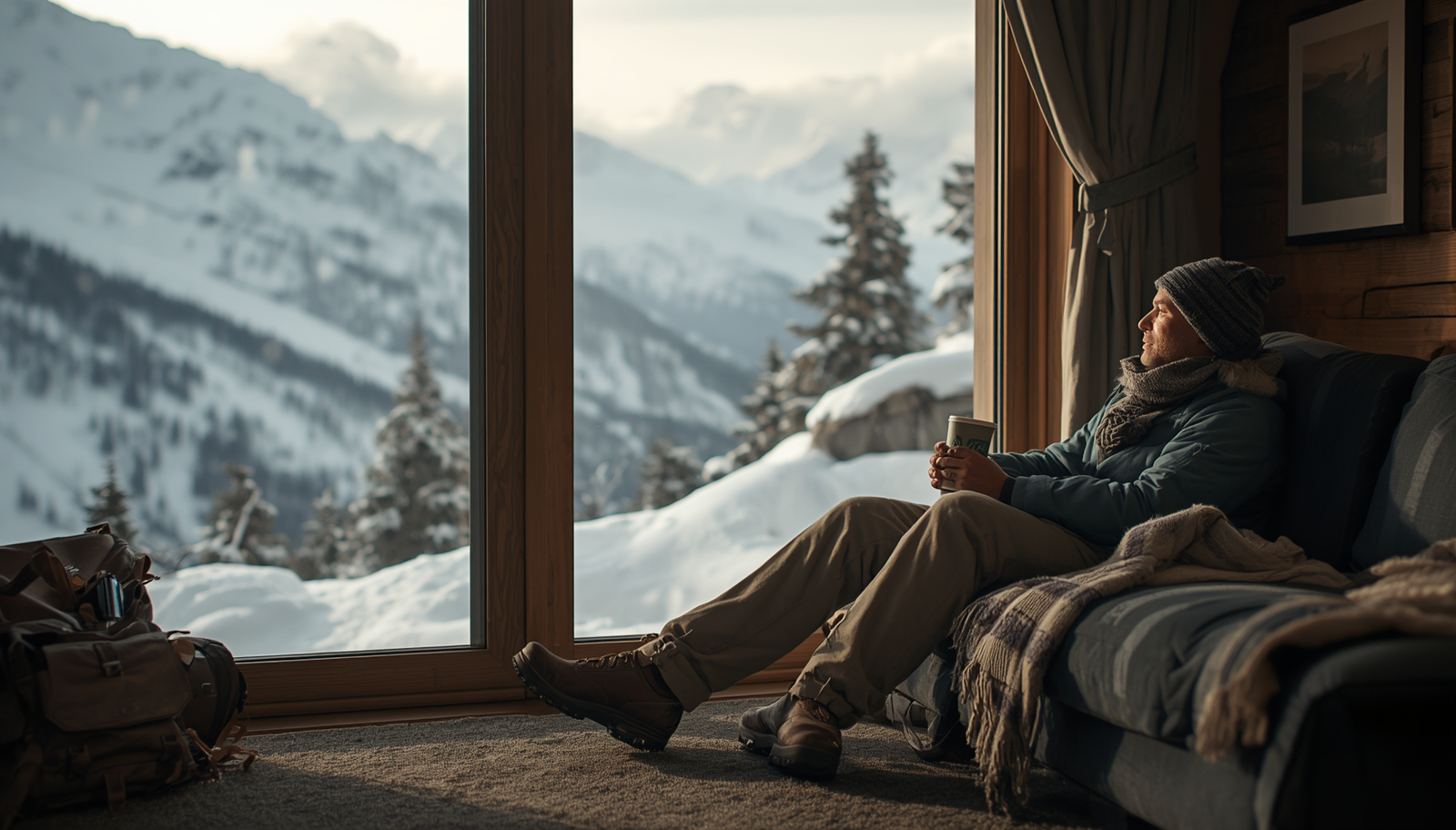
Finding a Comfortable Way to Unwind
The transition from a cold mountain trail to a hotel room should be gradual and comfortable. Simple recovery habits can help reduce the feeling of exhaustion without turning the evening into another demanding activity.
A practical Post Hike Relaxation routine can include warming up, drinking enough fluids, resting tired muscles, and choosing low-effort activities for the remainder of the evening.
Warming Up After Reaching the Hotel
A warm indoor environment can feel restorative after prolonged exposure to cold. Dry clothing and a comfortably warm shower can help restore a sense of comfort.
Avoid excessively hot water if the body is still very cold. Gradual warming, hydration, and a nourishing meal provide a more measured approach to recovery.
Giving My Legs Time to Rest
Tired legs need a break after steep climbs and long descents. Sitting comfortably, elevating the feet, or performing gentle mobility movements can provide relief without creating additional strain.
Light stretching may also help maintain comfortable movement. The key is to keep the intensity low rather than turning recovery into another workout.
Keeping the Evening Activity Light
An elaborate evening itinerary may not be ideal after a demanding trail day. A relaxed dinner, quiet hotel activity, or brief stroll can provide enjoyment without significantly increasing physical fatigue.
Keeping the evening unhurried gives the body more opportunity to recover before the next activity. If substantial fatigue remains, reducing the number of planned activities can be a sensible adjustment.
“Recovery is an essential part of physical performance because the body needs adequate rest to adapt to demanding activity.” , Dr. Elena Martin, sports recovery specialist
Feeling Better Before the Next Trip Activity
A well-managed recovery period can influence how the following day feels. Instead of carrying the full burden of trail fatigue into the next activity, travelers can use the evening to restore comfort and conserve energy.
More Comfortable Movement the Next Day
Muscle soreness can become more noticeable several hours after strenuous exercise. Adequate rest can make basic activities such as walking, climbing stairs, and navigating transportation more manageable.
Comfortable footwear and a gentle start to the morning can also reduce unnecessary strain after a physically demanding day.
Less Fatigue During Evening Plans
Resting between the hike and later activities creates a useful buffer. A quiet afternoon or early evening can help conserve energy for dinner or other low-intensity plans.
Avoiding an overly ambitious schedule gives the body more flexibility. If fatigue remains substantial, scaling back the itinerary can be preferable to pushing through discomfort.
More Energy for the Following Morning
Sleep plays a central role in physical recovery. A calm evening, comfortable room temperature, and reduced stimulation before bedtime can support a more restful night.
Preparing the next day’s clothing and equipment beforehand can also make the morning less hectic. Small organizational steps can preserve energy for the journey ahead.
Start Your Winter Recovery Routine
A winter mountain adventure can be one of the most rewarding parts of a trip, but recovery deserves attention once the trail ends. Cold exposure, steep climbs, long distances, and heavy layers can collectively create substantial physical demands.
Prioritize warmth, hydration, nutritious food, comfortable clothing, and adequate rest after the hike. Keep evening activities flexible and pay attention to persistent pain, numbness, dizziness, or other concerning symptoms that may warrant medical attention.
A measured recovery routine can turn an exhausting trail day into a comfortable evening, leaving the body better prepared for whatever comes next.