
Planning a journey across Canada requires careful attention to geography, travel distances, and the amount of time available. The country’s vast scale can turn a seemingly simple itinerary into a demanding sequence of long transfers if destinations are not arranged thoughtfully.
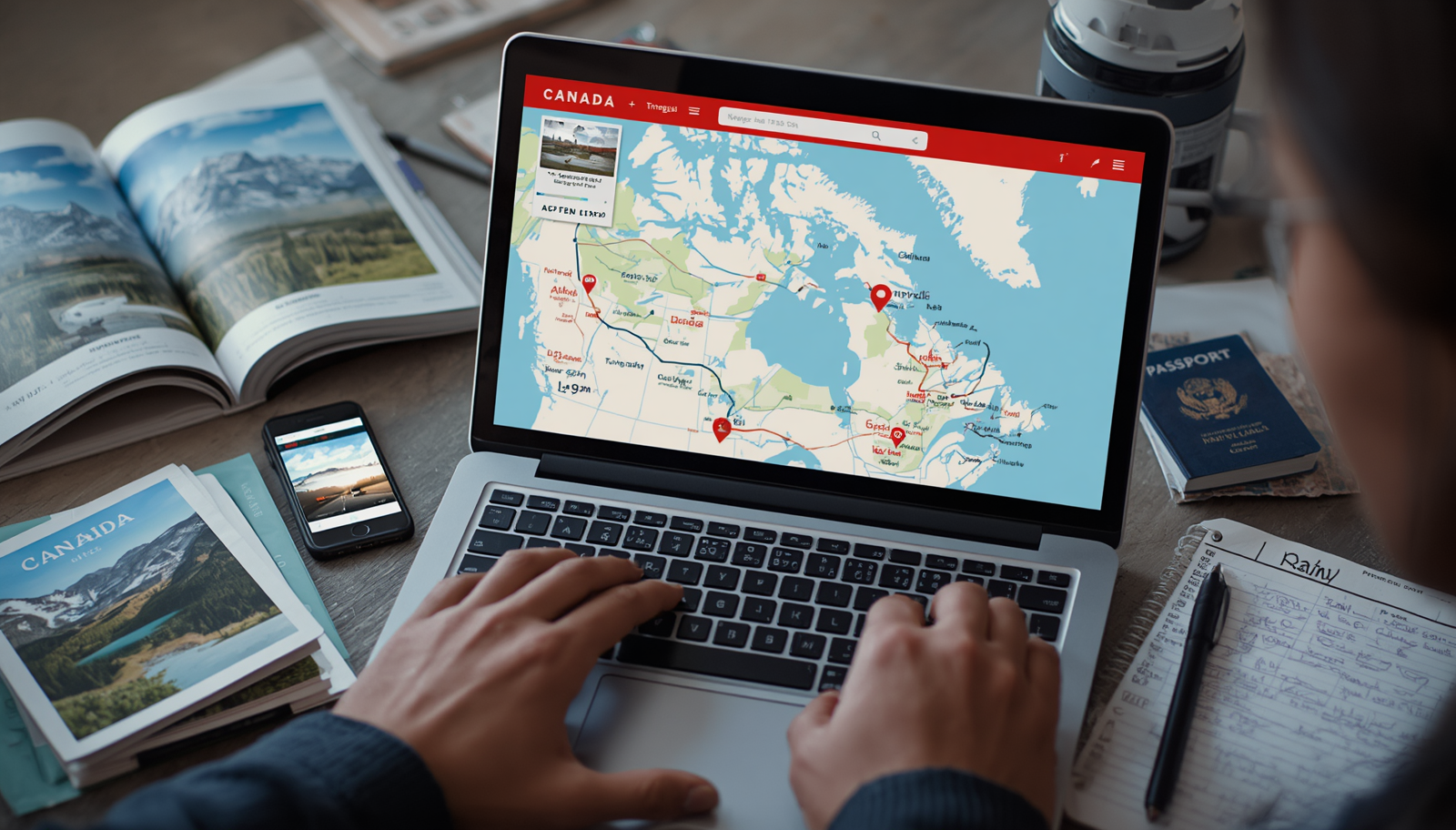
For travelers building a multi-stop journey, Canada Route Planning can make the itinerary more manageable. Mapping destinations according to distance, travel time, and sightseeing priorities helps create a practical route without sacrificing worthwhile stops.
Planning Routes Across Canada
A useful Canadian itinerary starts with destinations that fit naturally together. Rather than connecting attractions randomly, consider their geographical relationship and the amount of time required to move between them.
Choosing Destinations That Fit Together
Begin by grouping destinations that are located within the same region or along a logical travel corridor. Cities, national parks, coastal areas, and cultural attractions can then be arranged into a sequence that minimizes backtracking.
This geographical sequencing creates a more coherent journey. It also leaves additional time for sightseeing instead of repeatedly covering the same roads.
Checking Distances Between Stops
Canada’s immense geography makes distance an important planning factor. Two destinations that appear relatively close on a broad map may still require several hours of driving.
Check approximate travel times between major stops before confirming the itinerary. Include additional time for meals, fuel, rest breaks, traffic, weather, and scenic viewpoints.
Finding Routes That Match My Schedule
The length of the trip should determine how ambitious the route becomes. A shorter vacation may be more comfortable when concentrated within one region, while a longer journey can accommodate several geographic areas.
Avoid filling every day with lengthy transfers. Leaving some breathing room provides flexibility when conditions change.
Using Sites to Build My Itinerary
Online Itinerary Planning Tools can help organize destinations, calculate travel distances, and visualize the relationship between different stops. They are particularly useful when an itinerary includes multiple cities, parks, or scenic routes.
Comparing Different Route Options
Different routes can connect the same destinations while offering contrasting travel times and scenery. Comparing these alternatives can reveal whether a longer road adds worthwhile attractions or simply increases driving time.
A scenic detour may be worthwhile when it provides distinctive landscapes, small communities, or regional attractions without creating excessive logistical complications.
Organizing Stops Into Daily Plans
After establishing the overall route, divide the journey into manageable daily sections. Each day should have a realistic starting point, destination, and approximate travel duration.
Not every location needs equal attention. Some places may work as brief stops, while others deserve several hours or an overnight stay.
Adjusting Routes Around Travel Time
Travel time should be treated as an integral part of the itinerary. Long transfers influence when to leave, where to stay, and how much sightseeing can realistically fit into the day.
“An effective road itinerary gives travel time a deliberate place in the schedule rather than treating every transfer as empty time.”
Making My Canada Route Easier
A convenient route is not necessarily the shortest one. It should distribute driving sensibly while preserving enough time to experience the destinations along the way.
Small geographic adjustments can eliminate unnecessary mileage and make a long-distance journey considerably more comfortable.
Reducing Unnecessary Detours
Bsefore adding a side trip, consider its impact on the overall route. An attractive destination may require substantial backtracking when positioned between otherwise distant locations.
Arranging destinations according to geography can prevent this problem. A logical sequence often reduces both mileage and travel fatigue.
Keeping Driving Days More Manageable
Extremely long driving days can become tiring, particularly when sightseeing is planned immediately after arrival. Breaking lengthy journeys into shorter segments creates opportunities for rest and exploration.
Overnight stops can function as useful buffers between major destinations. They transform lengthy transfers into more balanced travel days.
Finding Better Stops Along The Way
Long routes become more engaging when they include worthwhile intermediate stops. Small towns, viewpoints, regional attractions, local eateries, and natural areas can provide welcome variety.
The most practical stops are usually those located close to the planned route. They add character without creating substantial detours.
Build Your Canada Route Today
A well-designed Canadian itinerary begins with realistic geography. Choosing compatible destinations, checking distances, and distributing travel time carefully can create a journey that feels organized rather than hurried.
Travel websites and planning tools can simplify the process, but flexibility remains valuable. By reducing unnecessary detours, balancing driving days, and identifying worthwhile stops along the way, travelers can build a Canada route that accommodates both exploration and practical travel time.